
What Is a Solar IPS? Backup Power Explained for Homes and Offices
A solar IPS keeps fans, lights and WiFi running through load-shedding — and cuts your electricity bill. Here is how it works.
Load-shedding is a fact of life in many areas, and a dead router means dead CCTV cameras too. A solar IPS (Instant Power Supply) solves both problems: backup power plus lower bills.
How a solar IPS works
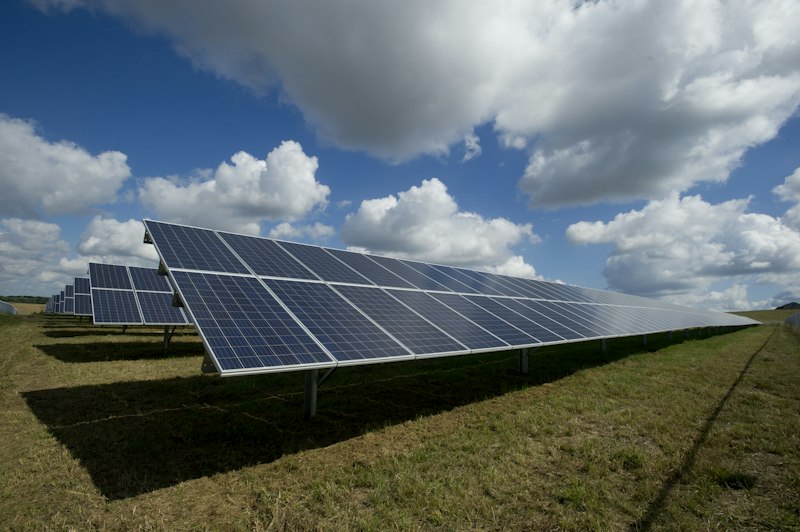
Solar panels charge a battery bank during the day. An inverter converts that stored DC power into normal AC for your fans, lights, TV, computers and routers. When the grid fails, switchover is instant — devices never notice.
Solar IPS vs regular IPS
A regular IPS charges only from the grid, so long outages can drain it with no way to recharge. A solar IPS keeps topping up from sunlight, giving far longer backup during daytime outages and zero charging cost while the sun shines.
What size do you need?
Add up the watts of what must stay on: a fan is about 100W, an LED TV 100W, a PC with monitor 300W. A 1100–1200VA unit comfortably runs a few fans, lights and a router. Go 1500VA or above for offices with multiple PCs.
Tips before you buy
Choose pure sine wave output for computers and sensitive electronics, place the unit in a ventilated dry spot, and size batteries for at least 2–3 hours of your typical load.